

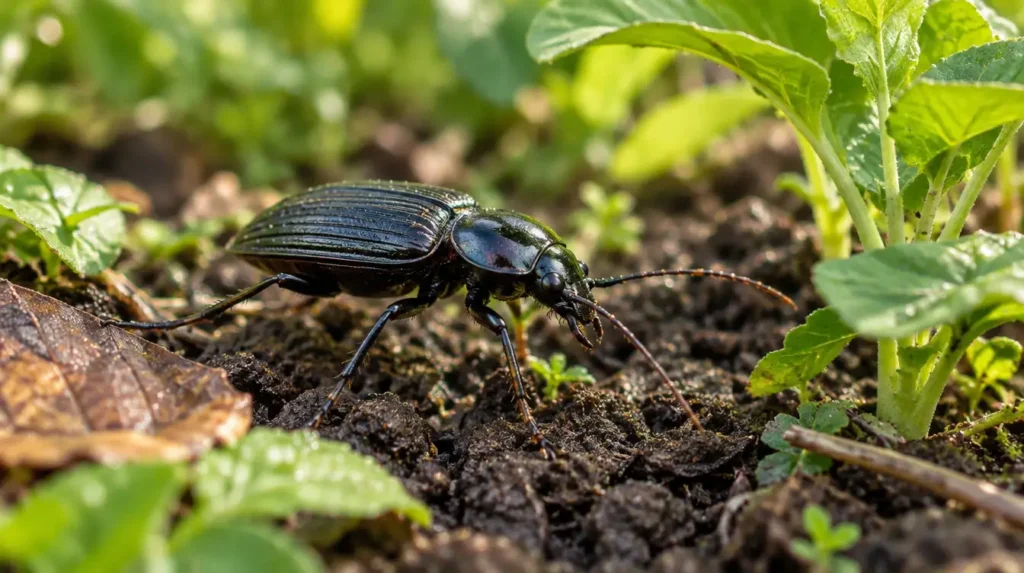
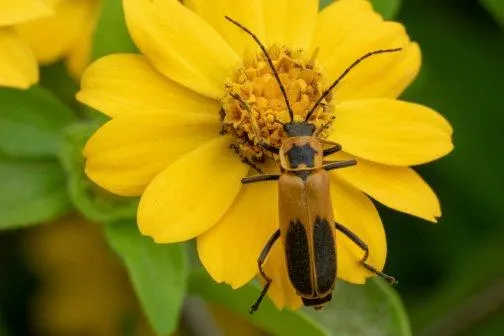
A black beetle racing beneath the mulch may be hunting caterpillars. An orange beetle resting on a flower could be feeding on pollen. And that strange, spiny larva crawling through an aphid colony might become a lady beetle.
Beneficial beetles in the garden include lady beetles, ground beetles, rove beetles, soldier beetles, and fireflies. Depending on the species and life stage, they help control aphids, caterpillars, insect eggs, slugs, and other small animals. Some also visit flowers, consume weed seeds, or contribute to the natural recycling of organic material.
The most useful thing a gardener can do is recognize these insects before removing them—and provide places where they can survive between pest outbreaks.
Which Beetles Are Beneficial to Gardens?
Several beetle families contain predators that can help limit garden pests. Others contribute in different ways.
These are six groups worth recognizing, particularly in North American gardens.
| Beetle group | How to recognize it | Main garden benefit |
|---|---|---|
| Lady beetles | Rounded adults; elongated, often spiny larvae | Many eat aphids, scales, and mealybugs |
| Ground beetles | Fast-running, often dark, with long legs | Many hunt caterpillars and soil-dwelling pests |
| Rove beetles | Narrow bodies with very short wing covers | Many consume small insects and fly larvae |
| Soldier beetles | Soft-bodied, often yellow, orange, or brown | Larvae hunt small prey; adults visit flowers |
| Fireflies | Soft-bodied adults, many with light-producing organs | Many larvae prey on slugs and snails |
| Tiger beetles | Long legs, large eyes, and prominent jaws | Adults and larvae hunt small arthropods |
These are broad identification clues, not guarantees. Each group contains multiple species, and not every member has the same diet.
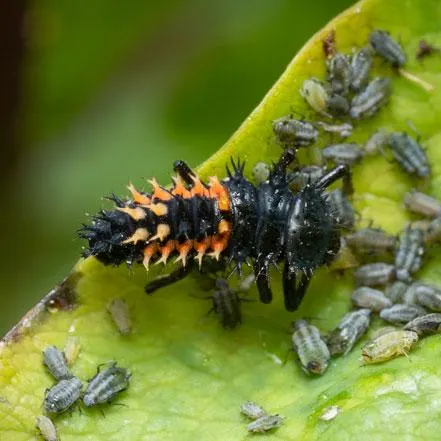
Lady Beetles: The Familiar Aphid Hunters
Lady beetles belong to the family Coccinellidae. Many have rounded, domed bodies with red, orange, yellow, or black wing covers.
Their reputation as garden helpers comes largely from their appetite for soft-bodied insects.
Depending on the species, lady beetles may consume:
- Aphids gathering on rose stems and vegetable plants
- Scale insects feeding on branches
- Mealybugs hidden around leaves and stems
- Spider mites and other small arthropods
The larvae deserve special attention.
A typical predatory lady beetle larva looks nothing like the adult. It has an elongated body, often dark gray or black with orange patches and small spines.
Gardeners sometimes mistake these larvae for pests and remove them. In reality, many are actively hunting aphids.
Identification tip: Check aphid-covered plants for dark, alligator-shaped larvae before deciding to spray or remove insects.
Not every lady beetle is predatory. The Mexican bean beetle, for example, is a plant-feeding member of this family that can damage beans.
Ground Beetles: Nighttime Hunters in the Soil
Ground beetles belong to the family Carabidae.
Most gardeners notice them when moving a stone, lifting a board, or disturbing garden mulch. A dark, shiny beetle suddenly runs for cover.
Many ground beetles have flattened bodies, relatively long legs, and threadlike antennae. Some are metallic green, blue, or bronze instead of black.
Predatory species feed on animals such as:
- Cutworms and other caterpillars
- Insect larvae and pupae
- Small soil-dwelling arthropods
- Slugs and snails
Both adults and larvae can be predators. However, some ground beetle species also feed on seeds, including weed seeds.
Their role in pest control makes them especially valuable around vegetable beds and permanent garden plantings.
Many are active at night and spend daylight hours sheltered beneath vegetation or debris.
A ground beetle discovered beneath mulch is usually better left where it was found.
For more identification clues, see our guide to beetles in soil.
Rove Beetles: Small Predators Hiding in Compost
Rove beetles belong to the family Staphylinidae.
They are easy to overlook because their bodies are narrow and their wing covers are unusually short. Much of the abdomen remains exposed.
Some species raise the end of their abdomen when disturbed, making them resemble tiny scorpions. They do not have a scorpion’s stinger.
Many predatory rove beetles live in:
- Compost and decaying vegetation
- Moist garden soil
- Leaf litter
- Mulch and shaded planting beds
Their prey can include fly larvae, mites, insect eggs, and various small invertebrates.
However, Staphylinidae is a large and ecologically diverse family. Some members feed on fungi or decaying material rather than hunting garden pests.
Identification tip: A long, narrow beetle with short wing covers moving quickly through compost may be a rove beetle. Avoid handling unfamiliar species with bare hands, as some can cause skin irritation.
Soldier Beetles: Flower Visitors With Predatory Larvae
Soldier beetles belong to the family Cantharidae.
Adults are often elongated and soft-bodied, with yellow, orange, tan, or brown coloring. Some have dark markings on their wing covers.
They are frequently noticed on flowers, particularly during warmer months.
Their usefulness comes from two different activities.
The larvae live mainly in soil, leaf litter, and other sheltered habitats. Many prey on insect eggs, larvae, and other small invertebrates.
The adults often visit flowers for nectar and pollen. Some species also feed on aphids and other soft-bodied insects.
By visiting flowers, adults can contribute to pollination, although they are not necessarily major pollinators of every plant they visit.
Finding soldier beetles gathered on flowers is generally not a reason for concern. They are not known for damaging healthy garden plants.
Fireflies: Beneficial Beetles Before They Begin Flashing
Fireflies, also called lightning bugs, belong to the beetle family Lampyridae.
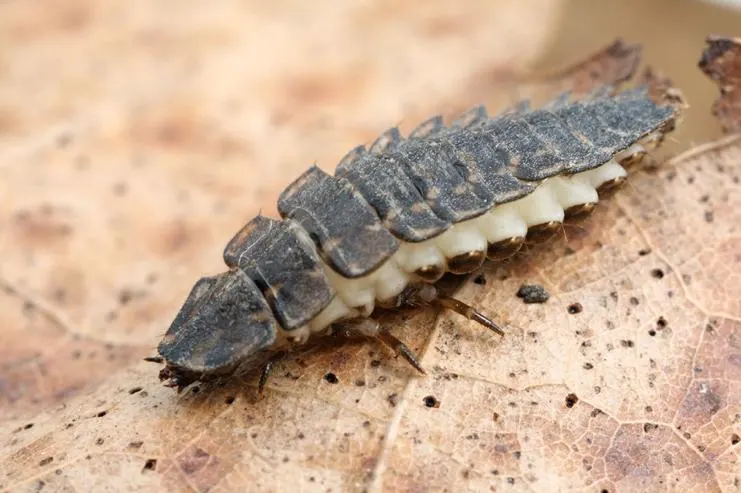
Their flashing courtship displays make the adults familiar. Their larvae, however, spend much of their lives hidden in soil and leaf litter.
Many terrestrial firefly larvae are predators of soft-bodied animals, particularly slugs and snails.
This makes them useful inhabitants of moist, relatively undisturbed garden habitats.
Not every firefly flashes, and not all firefly species have the same feeding habits. Some adults feed very little or not at all.
For gardeners who want to support fireflies, conserving their habitat is more practical than trying to introduce them.
Leave some leaf litter, minimize unnecessary soil disturbance, reduce pesticide use, and switch off unneeded outdoor lighting during the evening.
Tiger Beetles: Fast Predators Along Garden Paths
Tiger beetles are specialized predatory beetles within the ground beetle family Carabidae.
Many are recognized by their long running legs, large eyes, prominent jaws, and often metallic coloring.
Adults actively pursue small insects across exposed ground. Their larvae frequently wait in burrows and ambush passing prey.
Tiger beetles are more likely to be encountered on sunny, relatively open ground than in densely mulched vegetable beds.
They illustrate an important point: not every beneficial beetle needs to live directly on a crop plant to contribute to the surrounding ecosystem.
How to Attract Beneficial Beetles to Your Garden
You generally do not need to purchase beneficial beetles or transport them from somewhere else.
A better approach is to make the garden suitable for the beetles already present in the surrounding landscape.
1. Leave Some Ground Cover and Leaf Litter
A perfectly bare garden bed offers little shelter for ground-dwelling insects.
Ground beetles, rove beetles, firefly larvae, and various other small animals use vegetation and organic debris to escape drying conditions, avoid predators, and survive seasonal changes.
Consider maintaining a sheltered strip along a garden border with:
- Fallen leaves
- Plant debris
- Organic mulch
- Native perennial grasses
- Low-growing vegetation
The goal is not to cover every part of the garden with debris. It is to preserve a few relatively undisturbed places where insects can live.
Keep mulch and accumulated debris at an appropriate distance from building foundations to avoid creating unwanted pest or moisture problems indoors.
2. Plant Flowers That Bloom at Different Times
Flowers supply nectar and pollen to many beneficial insects, including adult lady beetles and soldier beetles.
A garden with flowers throughout the growing season may offer more consistent resources than one with a short period of heavy flowering.
Useful choices, depending on climate and growing conditions, include:
- Sweet alyssum
- Dill
- Coriander
- Yarrow
- Goldenrod
- Regionally appropriate native flowering plants
Small, accessible flowers are particularly useful to many nectar-feeding natural enemies.
Choose species that are suitable for your local region and avoid planting species that are invasive where you live.
Not every beneficial beetle is attracted to flowers. Soil-dwelling predators also need stable shelter and appropriate prey.
3. Reduce Routine Pesticide Applications
Broad-spectrum insecticides can kill beneficial insects as well as the pests being targeted.
This is particularly important when predators are already active on affected plants.
Before applying a pesticide, inspect the plant for:
- Living pest populations
- Fresh feeding damage
- Predatory beetles or their larvae
- Evidence that the damage is increasing
A few aphids on an otherwise healthy plant do not always require immediate treatment.
When intervention is necessary, prioritize accurate identification and targeted management. Follow local extension recommendations and all product label instructions.
Even products described as natural or organic may harm beneficial insects.
4. Disturb the Soil Less Often
Frequent cultivation can destroy beetle eggs, larvae, pupae, and overwintering shelters.
Ground beetles are especially associated with stable ground cover and less-disturbed habitats.
Reducing unnecessary digging or tilling can help maintain these conditions.
You do not need to abandon normal gardening tasks. Instead, reserve a portion of the garden where the soil remains relatively undisturbed throughout the year.
Permanent perennial beds and vegetated garden borders are particularly useful.
5. Create a Small Beetle Refuge
Agricultural conservation programs sometimes use grassy strips called beetle banks to provide habitat for ground-dwelling predators.
A home garden does not need a large raised bank to use the same principle.
A simple beetle-friendly refuge could be a small permanent planting strip near a vegetable garden.
Choose a place where you can maintain:
- A mixture of perennial grasses and low-growing plants
- Some leaves or organic mulch
- Protected soil
- Limited digging
- Minimal pesticide exposure
Keep the strip in place through winter rather than clearing it completely every fall.
Such habitat can support ground beetles, rove beetles, spiders, and other organisms that use the soil surface.
A beetle refuge is not a guaranteed solution to a pest outbreak. It is a way to support a more diverse community of natural enemies over time.
6. Make Room for the Entire Life Cycle
A beetle needs more than a place to feed as an adult.
It also needs suitable conditions for eggs, larvae, pupae, and sometimes overwintering.
Lady beetles may lay eggs close to aphid colonies. Ground beetles and many soldier beetles develop in or near soil. Firefly larvae rely on relatively protected terrestrial habitats.
Removing every fallen leaf and repeatedly disturbing garden soil can reduce those opportunities.
Leaving a modest amount of natural habitat gives beneficial beetles more chances to complete their life cycles.
7. Allow Some Prey to Remain
A garden with no small insects at all would offer little food to insect-eating predators.
This does not mean ignoring serious infestations or allowing valuable crops to be damaged.
It means tolerating a low level of harmless insect activity where plants are healthy.
Predators often reproduce or remain in an area because suitable food is available.
When every aphid is removed immediately, the garden may become less attractive to lady beetles and other natural enemies.
The practical goal is to keep pest populations below damaging levels, not to eliminate every insect.
A Simple Way to Check Your Garden for Beneficial Beetles
You may already have more beneficial beetles than you realize.
Try observing three different parts of the garden.
On flowers: Look for lady beetles and elongated soldier beetles. Watch whether they are feeding on pollen, visiting nectar-rich flowers, or pursuing small insects.
On plants with aphids: Check stems and the undersides of leaves for adult lady beetles, eggs, and larvae.
At ground level: Look beneath loose leaf litter or mulch for ground beetles and rove beetles. Replace anything you move and avoid prolonged disturbance.
Nighttime observations may reveal beetles that remain hidden during daylight.
Take photographs rather than collecting unfamiliar beetles unnecessarily.
Body shape, antennae, wing covers, location, and behavior are more useful for identification than color alone.
Not Every Beetle in the Garden Is Beneficial
Some beetles eat garden plants rather than other insects.
Japanese beetles may skeletonize leaves. Flea beetles can damage vulnerable seedlings. Certain leaf beetles and weevils feed on crops or ornamental plants.
Even within the lady beetle family, there are plant-feeding exceptions.
That is why a red, orange, or black beetle should not be classified as helpful based on color alone.
Look at what the beetle is actually doing.
Is it chewing healthy leaves? Hunting aphids? Visiting flowers? Running across soil?
Also check for fresh plant damage and consider the host plant.
Our garden beetles identification guide explains how to distinguish beetles that help from those that may require management.
Do Beneficial Beetles Really Control Garden Pests?
They can help, sometimes substantially, but results vary.
The effect depends on the predator species, pest population, habitat, weather, and availability of alternative food.
Lady beetles may suppress aphid colonies. Ground beetles may reduce some soil-dwelling pests and weed seeds. Other predatory beetles contribute by consuming insect eggs or larvae.
These effects do not mean beneficial beetles will eliminate every pest.
A heavy infestation may still require additional management.
Beneficial beetles work best as part of a broader approach that combines observation, suitable plant care, habitat conservation, and appropriate interventions when needed.
Frequently Asked Questions
Are black beetles good for a garden?
Many black beetles found running across garden soil are ground beetles, and numerous species are beneficial predators. Rove beetles are also commonly dark-colored. However, color alone is not enough for identification.
Should I buy ladybugs for my garden?
Usually, improving habitat for naturally occurring lady beetles is a better first step. Purchased adults may fly away after release, and commercial sources can raise ecological concerns. Healthy gardens with suitable prey, flowers, and shelter can support local populations.
Do beneficial beetles eat slugs?
Some do. Certain ground beetles and rove beetles prey on slugs, while many firefly larvae feed on slugs and snails. The effect varies with the predator species and local conditions.
Do beneficial beetles harm plants?
Many predatory species cause little or no plant damage. However, not every species within a beneficial beetle family has the same diet. Some beetles feed on foliage, roots, seeds, or other plant material.
How can I attract more ground beetles?
Maintain ground cover, preserve undisturbed garden borders, use suitable organic mulch, reduce unnecessary tilling, and avoid routine broad-spectrum insecticide applications.
What is the most beneficial beetle for a vegetable garden?
There is no single best beetle for every garden. Lady beetles are especially useful where aphids are common, while predatory ground beetles can help with certain caterpillars and soil-dwelling pests. A diverse beetle community is generally more useful than relying on one species.
Give the Helpful Beetles a Place to Stay
A garden does not need to be perfectly tidy to be healthy.
A few leaves beneath shrubs, flowers that bloom throughout the season, and a permanent patch of undisturbed vegetation can make a difference to beetles that might otherwise have nowhere to shelter.
The next time you find a dark beetle beneath a stone or an unfamiliar larva near your vegetables, observe it before removing it.
Some of the most useful animals in a garden are the ones that spend most of their lives out of sight.
For a wider overview of their feeding habits, see what beetles eat.
References and Further Reading
- University of Wisconsin–Madison Extension — Beetles (Coleoptera)
- University of Maryland Extension — Predatory Beetles
- University of California IPM — Beneficial Predators
- University of Minnesota Extension — Lady Beetles
- Penn State Extension — Ground and Tiger Beetles
- University of Wisconsin–Madison Extension — Fireflies